Greenland and Sovereignty
A factual overview of Greenland’s legal status, historical background, and the formal pathways to independence under international and Danish law.No advocacy. No speculation.
Just law, history, and verifiable facts.
Stay Informed
Receive occasional, factual updates on Greenland’s legal status, governance, and related developments.No advocacy. No speculation.Unsubscribe at any time.Your email will only be used for site updates.
Current Legal Status
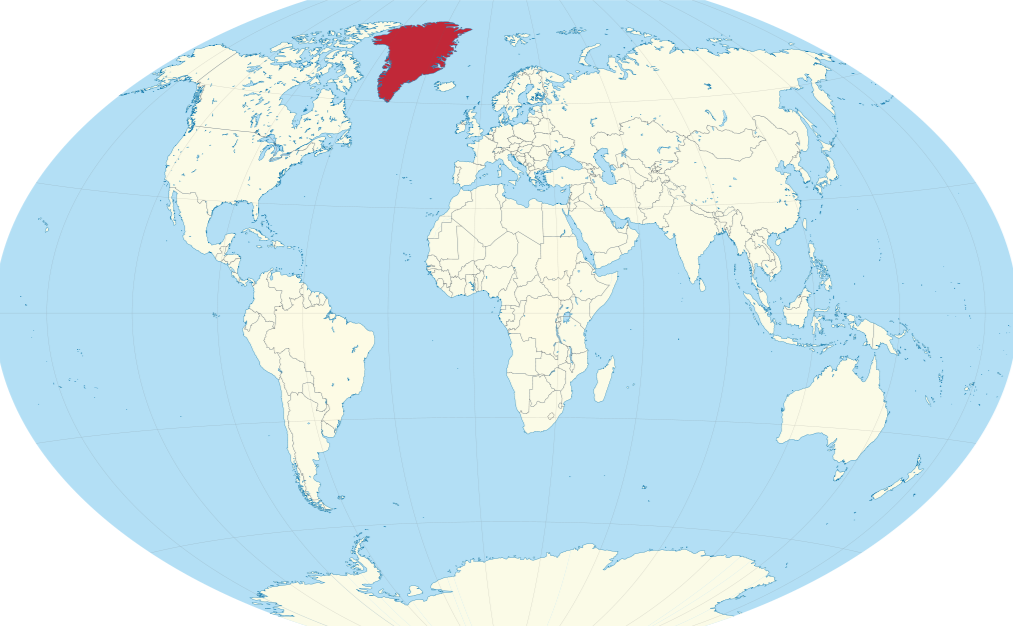
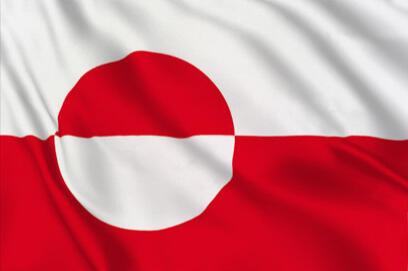
Greenland is not a sovereign state under international law.It is an autonomous territory within the Kingdom of Denmark, with its own parliament and government. While Greenland exercises extensive self-governance over domestic affairs, Denmark retains authority over foreign policy, defense, and constitutional matters.Greenland’s autonomy is legally grounded in Danish law and internationally recognized as internal self-government rather than statehood.
Danish colony until 1953
Home Rule established in 1979
Self-Government Act enacted in 2009
TL;DR
Greenland in the News
Greenland periodically appears in international headlines due to its strategic location, natural resources, and geopolitical relevance in the Arctic.Despite public speculation, Greenland’s legal status remains unchanged. Any change in sovereignty would require a formal process defined by law, not external claims or unilateral action.The United States holds no legal claim to Greenland.
Pathway to Independence
Under the 2009 Self-Government Act, Greenland has the legal right to pursue independence.This process requires:A referendum held in GreenlandApproval by the Parliament of GreenlandSubsequent approval by the Danish ParliamentIndependence would involve negotiations regarding citizenship, currency, defense, foreign relations, and economic sustainability.There is no automatic or externally imposed mechanism for independence.
The United States and
GreenlandThe United States has no legal claim to sovereignty over Greenland. Any change in Greenland’s status would have to occur through Greenlandic and Danish legal processes, not through external assertion.
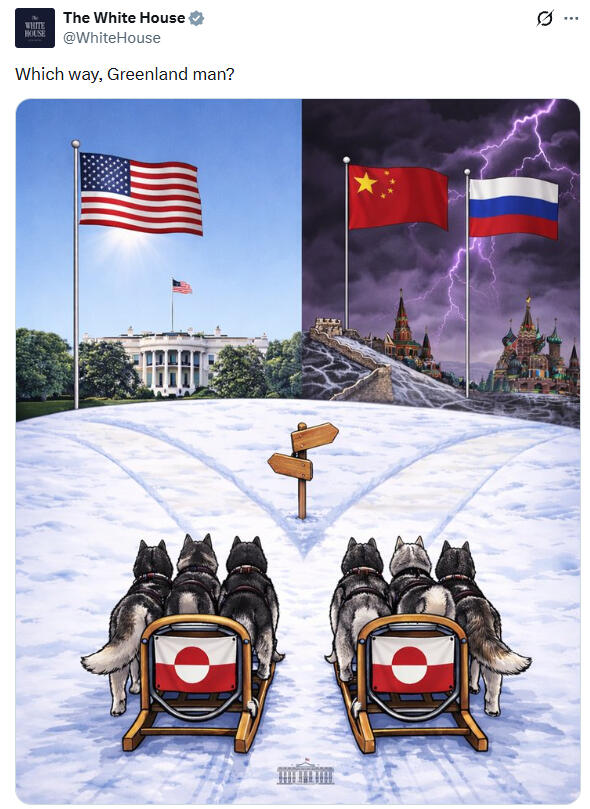
The United States has longstanding defense and security interests in the Arctic and maintains a military presence in Greenland pursuant to agreements with the Kingdom of Denmark.U.S. engagement with Greenland includes diplomacy, scientific cooperation, and periodic economic interest, particularly related to Arctic policy and regional development.Claims that Greenland could be “purchased” or transferred should be understood as political commentary, not a legal pathway. Any transfer of sovereignty would require the consent of the relevant governing authorities and would be subject to constitutional and international legal constraints.
© 2026 All rights reserved.